What Lawyer Do
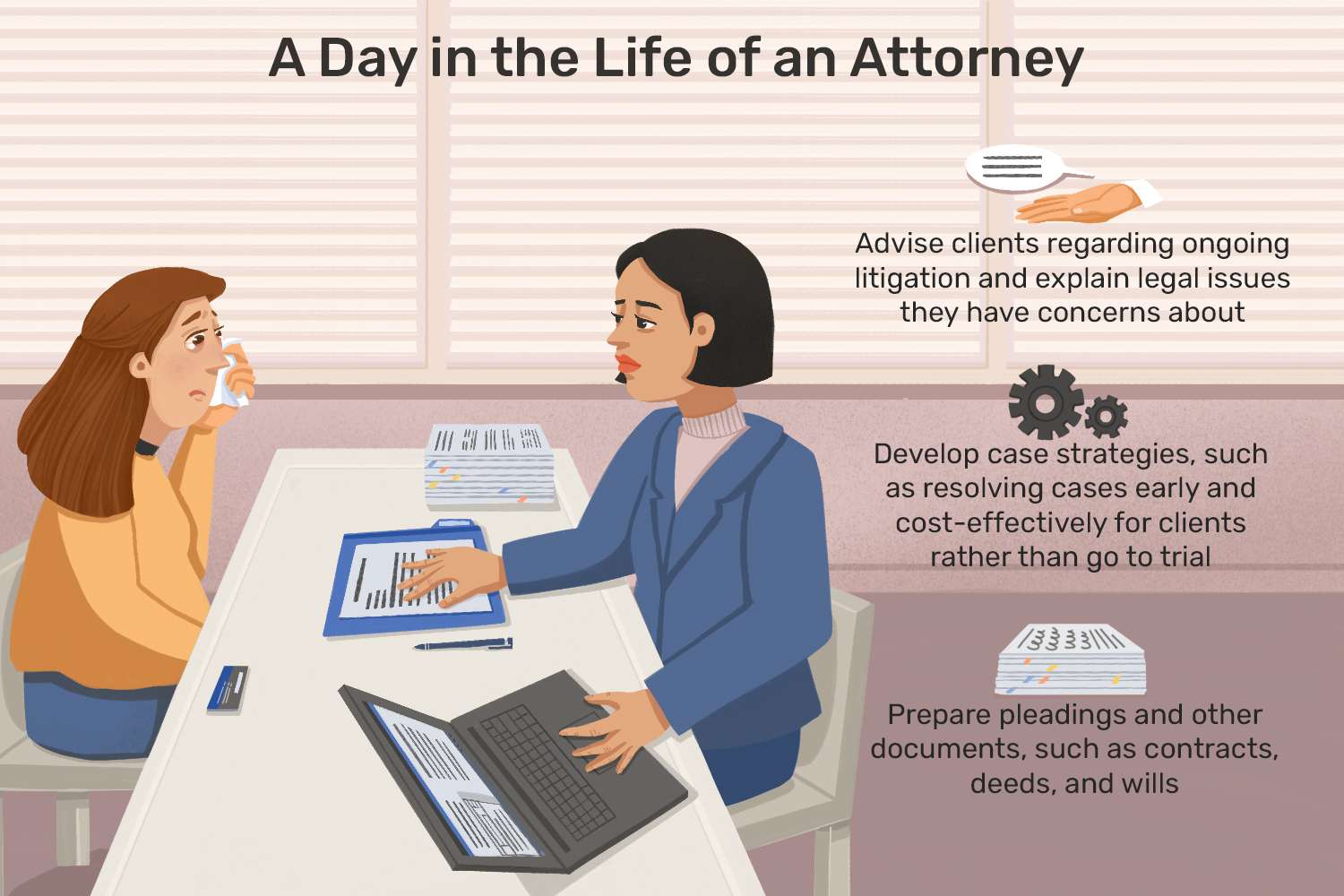

Lawyers play a vital role in society. They ensure businesses, government agencies and people adhere to the law.
Lawyers perform many essential functions, from conducting legal research to drafting legal documents and negotiating settlements. Their jobs require exceptional communication and analytical skills as well as strong ethical values.
Legal Advice
Lawyers (also referred to as attorneys) provide their clients with advice regarding their legal rights and responsibilities. They advise individuals, businesses, and organizations on complex legal matters and disputes and represent them during court proceedings and legal transactions. Attorneys use their knowledge of law combined with analytical abilities to interpret statutes, regulations, precedents to provide accurate advice and representation to clients.
Individuals seeking legal advice when making legal decisions such as filing a lawsuit or signing contracts should consult an attorney. Legal information can provide general answers without specifically applying to their situation, thus saving on lawyer’s costs. When considering how best to handle legal issues it is crucially important to understand the difference between legal advice and information – lawyers typically charge by the hour for services such as consultations with clients as well as document drafting or presentations by attorneys.
Document Preparation
Legal documents require time, research and insight to draft. This work is of critical importance as legal contracts provide both parties with safeguards in case anything goes awry; even non-lawyers may encounter legal documents every day from an eviction notice to last will and testament for family members.
Lawyers typically play an essential role in creating legal documents that accurately reflect their client’s intentions while adhering to applicable laws and regulations. This may involve creating court pleadings, contracts and other formal papers used during court cases; as well as property deeds or articles of incorporation that give an entity its legal standing.
As part of the legal drafting process, it is advisable to begin by considering what purpose and outcomes of your document should be. This will help ensure it contains all of the required information and is effective at its task. Furthermore, avoidance of ambiguity and confusion is helpful; otherwise it may lead to conflicts and litigation. In addition to using standard font sizes that are easily readable by all parties involved.
There are various services offering software designed to assist individuals in creating legal documents themselves without legal advice. While these programs can often be cheaper than hiring an attorney, they often do not produce as specialized a product and often do not take into account individual situations or needs as effectively.
Trial Preparation
Preparing for trial can be one of the most time-consuming and complex tasks a lawyer must undertake, involving finding evidence supporting or opposing your case, witnesses who will testify on its behalf, documents and other forms of evidence that strengthen it and experts who can explain complex topics to juries. An attorney must understand each piece of evidence as it fits together seamlessly.
Preparing for trial can take weeks or months and involves coordination among attorneys, clients and members of the legal team. Communication among all these stakeholders can become increasingly difficult as trial dates approach; having access to secure virtual environments allowing work product sharing and deposition collaboration could reduce communication costs while improving efficiency and streamlining work processes.
Before any trial begins, both sides must attend several hearings, such as a case management conference and trial setting conference. At these conferences, both can update the judge and each other on their progress, petition for extension of discovery deadlines from the court if needed, and address any other matters before trial begins.
Once case management and trial setting conferences have concluded, the final trial date can be scheduled. Once set, attorneys must prepare a trial brief as well as any written documents required by law for this case, such as jury instructions. They also need to select witnesses that will testify as well as take taped depositions of these witnesses so as not to misrepresent themselves at trial.
Once the trial begins, both parties present their cases to the Judge and jury for consideration. Once all evidence has been presented, each side has an opportunity to deliver their closing statement, known as a “summation.” Following which, Judge and jury decide who wins.
Thorough trial preparation can make all the difference for any case’s outcome, as even an attorney with vast experience may struggle without proper preparation to bring their client home victorious.
Research
Legal research is often an integral component of lawyers’ jobs. Law firm assistants, clerks, trainees and junior associates may be assigned the task of conducting legal research on attorneys’ behalf; this could involve gathering case law, legislation and documents necessary to support an attorney’s case strategy as well as compiling briefs or pleadings requiring legal research services. Research can even be performed independently during trial preparation by lawyers themselves.
Research needs will depend heavily upon the area of law that an attorney is practicing; for example, when representing clients seeking to change court orders it would be useful for him/her to have access to relevant legislation and past case law as well as know how courts have decided similar matters in the past.
Organization is essential when conducting legal research. Legal researchers may need to keep track of information they find that pertains to their case using paper logs, folders on Westlaw or Lexis databases or online citation management platforms.
Strong analytical and problem-solving abilities are also invaluable when working as an attorney, since this requires them to evaluate legal issues plaguing their clients and devise effective plans to address them – this may involve drafting documents, conducting research, negotiating settlements or appearing at court proceedings.
As the legal industry shifts towards more collaborative models, legal research professionals have become an essential part of law firm teams. Working closely together allows attorneys to focus on core tasks while decreasing time spent conducting legal research.
Digital research products and tools can also assist attorneys with staying current with current laws, rules, and regulations. However, it should be remembered that using such resources should only ever be combined with an attorney’s personal assessment and judgment of facts of each case, especially when assessing legal precedent and deciding the most beneficial path forward for their client.
About Us

Welcome to US Attorneys, a premier law firm located in Washington, DC. Our team of experienced attorneys is dedicated to providing top-quality legal representation to clients throughout Washington DC and the United States.